

If you own or are starting a business, you might be looking to provide your employees with uniforms. The right uniforms can provide a more professional feel to your business for both customers and employees. Further, uniforms offered by professional programs, like Work Hard Dress Right uniforms, could increase safety, productivity, and more. That said, before setting up a uniform program, there are a lot of actors to consider. Let’s take a look at some of the most crucial points. This list isn’t exhaustive, of course, but it will get you off to a good start.
Basic Safety Requires the Right Gear
The most important factor to consider when it comes to uniforms is that they can be used to increase safety. Increasing safety is crucial for safeguarding the health and well-being of your employees. How can uniforms increase safety? The right textiles and gear can provide protection in many ways.
For example, some materials are resistant to cuts, so if there are sharp objects in the workplace, uniforms made with such materials can provide additional protection. Some materials are heat-resistant. If your employees are working around hot materials, it’s wise to consider heat-resistant gear.
Don’t forget footwear either. Safety toes can protect employees from falling objects and other risks. Good traction can prevent slips and falls, especially in slippery conditions, like kitchens, where water splashes are common. The right accessories can go a long way as well. For example, kitchen staff may appreciate easy access to aprons, which can increase protection and provide utility. Aprons can also help folks stay clean.
Be Ready No Matter the Weather
One of the most important functions clothing performs is protecting us from the weather. If your employees are going to be spending a lot of time outdoors, you’ll want to make sure that they have uniforms designed to withstand the local climate.
In cold places, this means clothing that can keep you warm no matter the season. In rainy conditions, it’s important for people to stay dry. You’ll also want to ensure that people are less likely to slip due to snow or water. The weather often changes as the months go by. As such, you’ll need to ensure that your employees are properly equipped no matter the season.
Follow Industry Best Practices
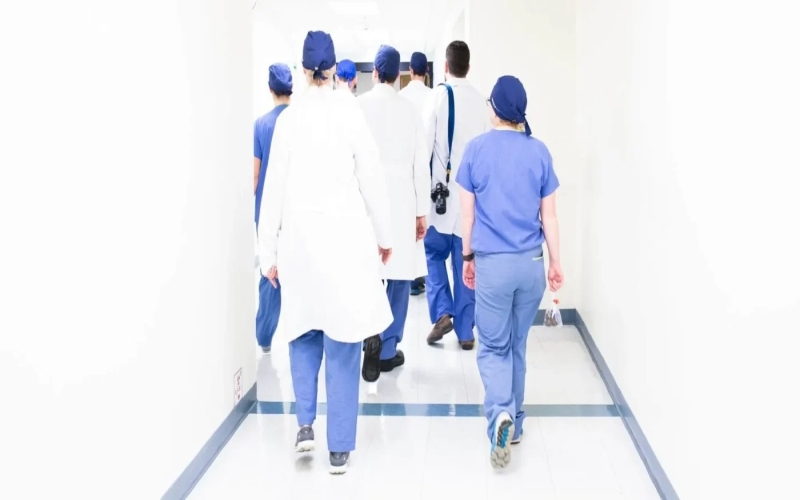
During the COVID-19 pandemic, many medical providers were short on personal protection equipment (PPE). Even seemingly simple medical gear, like scrubs, were often hard to come by. Medical environments often have strict standards and practices, including using fresh PPE and frequently changing scrubs. These standards protect both care providers and patients and can slow the spread of deadly diseases. Unfortunately, shortages during the pandemic made it hard to follow industry best practices. Many medical care providers have since been expanding their supply of scrubs, PPE, and more.
It’s smart for every company, no matter the industry, to stop and look at industry best practices. Many restaurants have begun to set up uniform programs for kitchen staff, for example, because doing so can increase cleanliness and professionalism. Likewise, if folks are working in high traffic areas or along roadsides, increasing visibility is crucial and often part of industry standards and workplace requirements.
Improve Your Brand Visibility and Professionalism
Uniforms can make a company look more professional. Research even suggests that uniforms can make workers feel happier and more productive. Why should that be the case? If your workers feel like professionals, they may be more likely to strive to put forward their professional best.
Many customers perceive branded apparel uniforms to be more professional. If a homeowner calls in an HVAC company, they’re more likely to be impressed by technicians who show up with clean, crisp uniforms than folks who show up in ripped jeans and stained shirts with random apparel brands on them. Additionally, many folks will have an easier time recalling your brand if they see the logos and names printed on uniforms and other things, like work trucks.